
How to Rodent-Proof Your Home
Updated 2026-11-24 · St. Louis Rodent Control
Rodent-proofing (exclusion) is the part of rodent control that stops the problem coming back. St. Louis has a lot of older brick homes, settled foundations, additions and alleys, which together make for plenty of gaps. Here is the checklist we use.
Outside: foundation and walls
- Walk the foundation and look for cracks, missing mortar and gaps where siding meets brick or stone.
- Check where every pipe, cable, AC line and gas line enters the house. Gaps around them are the most common mouse entry point.
- Make sure foundation and crawlspace vents have intact screens or hardware cloth.
- Seal gaps with copper or stainless mesh plus sealant, mortar or concrete patch. Use hardware cloth (1/4 inch) over larger openings.
Garage and doors
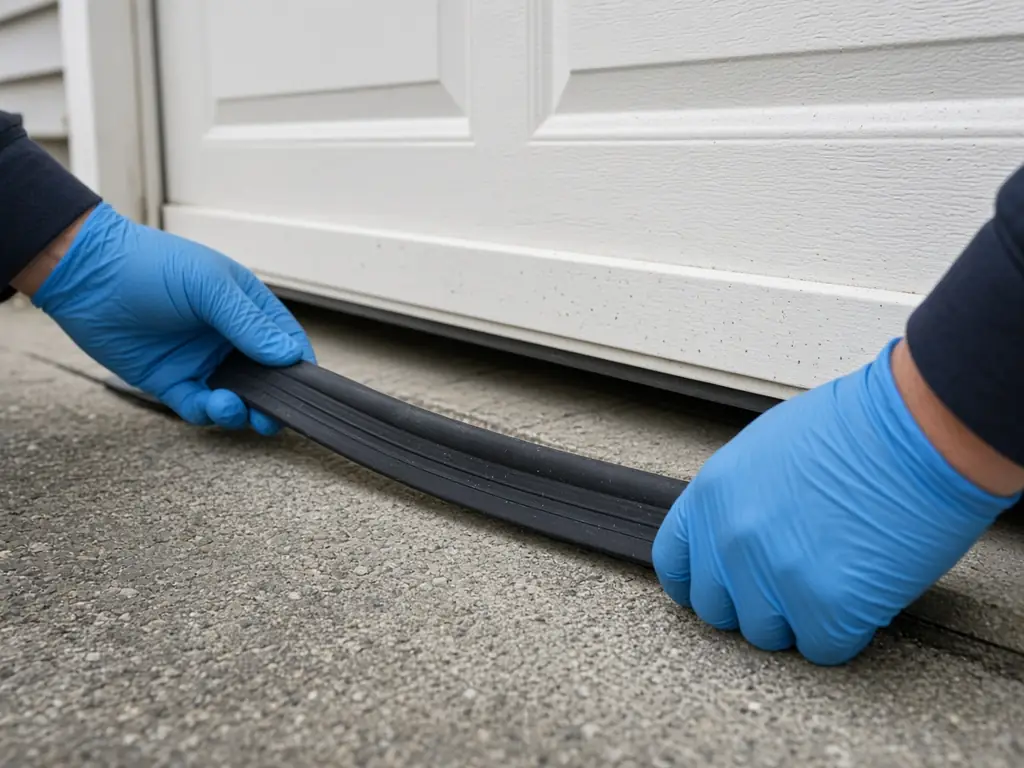
- Replace worn garage door bottom seals and check the corners, where rodents chew through first.
- Fit door sweeps to exterior doors and the door from the garage into the house.
- Look for light under doors at night; if you can see it, a mouse can get through.
Roofline and attic
- Mice climb brick and siding easily. Check soffits, roof returns, fascia corners and gable vents.
- Screen roof and gable vents with metal mesh; cap chimneys.
- Trim tree limbs at least 6 to 8 feet back from the roof.
Inside
- Seal gaps around pipes under sinks and behind appliances, and where dryer vents pass through walls.
- Store dry food, pet food and birdseed in sealed containers.
- Do not leave pet food out overnight.
- Clear clutter in basements, garages and closets, and use plastic bins instead of cardboard boxes.
- Clean behind and under appliances a few times a year.
Yard and landscaping
- Keep mulch thin (2 to 3 inches) and pulled back a few inches from the foundation.
- Leave an 18-inch gravel or bare strip along the foundation where possible.
- Avoid dense ground covers such as ivy right against the house.
- Store firewood off the ground and away from the house.
- Keep compost in a closed bin and avoid adding meat, dairy or cooked food.
- Pick up fallen fruit, nuts and birdseed.
- Keep trash and recycling carts closed; for alley pickup, do not leave bags beside the cart.
A seasonal routine
- Late summer: walk the exterior and seal gaps before the fall push indoors.
- Fall: set a few monitoring traps in the garage, basement and attic.
- Winter: check stored items and the attic for droppings.
- Spring: check the roofline for squirrel damage and the yard for rat burrows.
Want a professional set of eyes? A rodent exclusion inspection gives you a photographed list of every entry point.
Get a free rodent inspection
Tell us what you are seeing and where. We will book a free inspection with a licensed local technician.
Call (314) 735-5967