
Rodent Rules and Local Programs in the St. Louis Area
Updated 2026-11-24 · St. Louis Rodent Control
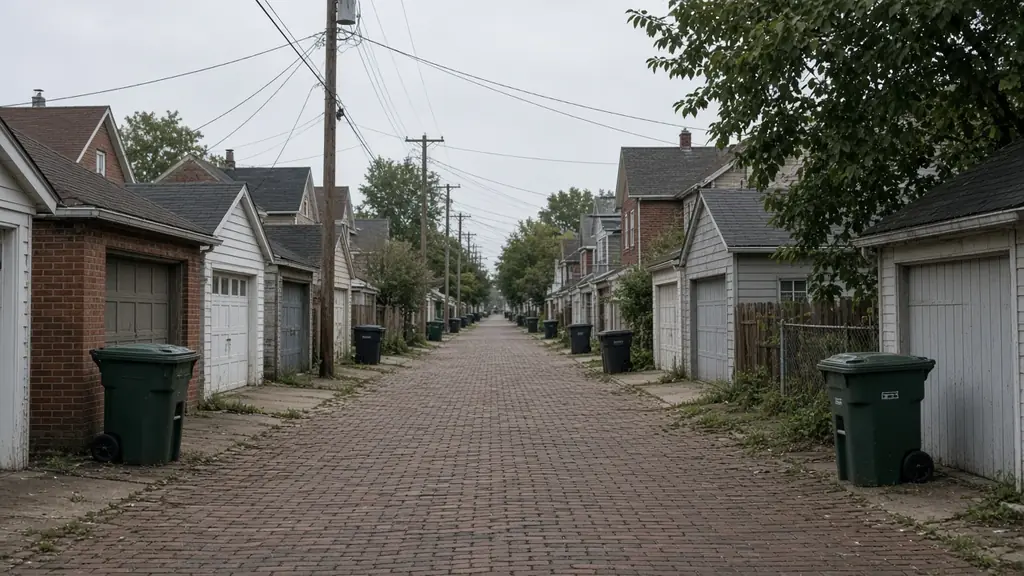
Rodents ignore property lines, so local rules and agencies play a real role. Here is a practical overview. Program details change, so check with the agency for current services.
Who is responsible?
- Homeowners are responsible for rodents on and in their own property.
- Landlords are generally responsible for keeping rental buildings free of infestations and in good repair; tenants are expected to keep units clean and report problems promptly. Check your lease and local housing code.
- Businesses, especially food businesses, must prevent pests under health codes, and inspectors look for rodent evidence.
Who to contact about rats on public or neighboring property
- City of St. Louis: report rats in alleys, on vacant lots or on public property through the Citizens' Service Bureau (CSB), which routes rodent complaints to the city's rodent control program.
- St. Louis County: the Department of Public Health handles environmental health and vector concerns in unincorporated areas; many municipalities also enforce property maintenance codes.
- St. Charles County and Jefferson County: contact the county health department's environmental health section, or your city's code enforcement.
- Illinois (St. Clair, Madison, Monroe counties): contact the county health department or your municipality's code enforcement.
Rodenticides and licensing
In Missouri, businesses applying pesticides for hire must be licensed through the Missouri Department of Agriculture; in Illinois, structural pest control businesses are licensed by the Illinois Department of Public Health. Some rodenticides are restricted-use and limited to certified applicators. Bait should always be used in tamper-resistant stations exactly as the label requires.
Working with neighbors
- Coordinate trash habits on your alley: lids closed, no bags beside carts, bulky items out only on pickup days.
- Ask neighbors to take in bird feeders over winter and keep compost closed.
- Report vacant lots, abandoned buildings and illegal dumping; they are common rat sources.
- Treating several neighboring properties at once is far more effective than one house at a time.
Businesses and property managers
Restaurants, grocery stores, warehouses and apartment buildings can drive rodent pressure for a whole block. A documented commercial rodent program keeps them compliant and keeps neighbors on side.
Get a free rodent inspection
Tell us what you are seeing and where. We will book a free inspection with a licensed local technician.
Call (314) 735-5967