
Rodent Season in St. Louis
Updated 2026-11-24 · St. Louis Rodent Control
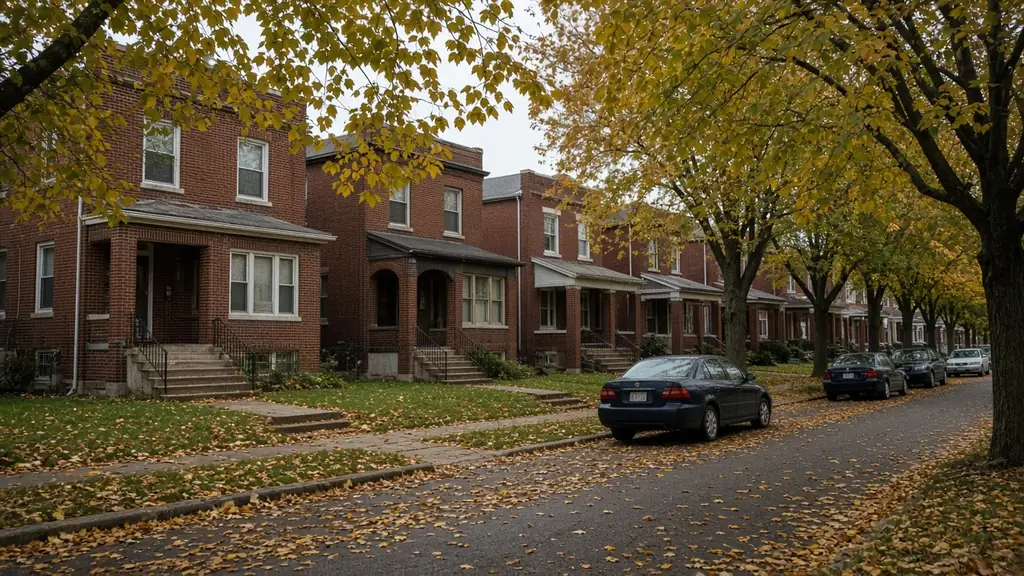
Rodent problems in the St. Louis area follow a predictable calendar, shaped by the climate, the rivers and the age of the housing.
The rodent calendar
- Late September to December: the big push indoors. Cooler nights send mice into garages, basements, walls and attics. This is when most calls happen.
- Winter: mice that got in breed indoors. Activity in walls and ceilings is common, and populations grow if nothing is done.
- Spring: squirrels look for nest sites in attics; rains and river rises can flood burrows and push rats into new areas.
- Summer: rats are most active outdoors around trash, compost and gardens; dead-rodent odors are worse in the heat.
Rivers and creeks
The region sits where the Mississippi, Missouri and Illinois rivers meet, with the Meramec to the south and dozens of creeks in between: River des Peres, Coldwater Creek, Gravois Creek, Deer Creek, Fishpot Creek and others. Creek corridors and riverfronts provide cover and water for Norway rats, and high water periodically pushes them toward homes.
Housing age
St. Louis City has one of the oldest housing stocks of any large U.S. city: brick homes and two-family flats built before 1940, with stone or brick foundations, coal chutes, old pipe chases and plenty of settled mortar. Inner-ring suburbs added post-war bungalows and ranches with crawlspaces and attached garages, while newer outer suburbs have tighter construction but plenty of utility penetrations and weep gaps. Each era has its own typical entry points.
City vs suburbs
In the city, shared alleys, dumpsters, attached buildings and older sewers support Norway rats. Problems are often block-wide, so it pays to coordinate with neighbors and report public-property issues.
In the suburbs, house mice dominate, with field and deer mice near wooded areas and creeks. Garages, crawlspaces and attics are the hot spots, and squirrels are a bigger factor where there are mature trees.
In the Metro East and river towns, grain handling, rail lines and floodplain land add rat pressure, while rural edges bring field mice into garages and outbuildings.
What this means for you
Seal your home in late summer, monitor in the fall, and do not wait until winter if you see signs. See our rodent-proofing checklist, or find your area for local details.
Get a free rodent inspection
Tell us what you are seeing and where. We will book a free inspection with a licensed local technician.
Call (314) 735-5967