
Baden at a glance
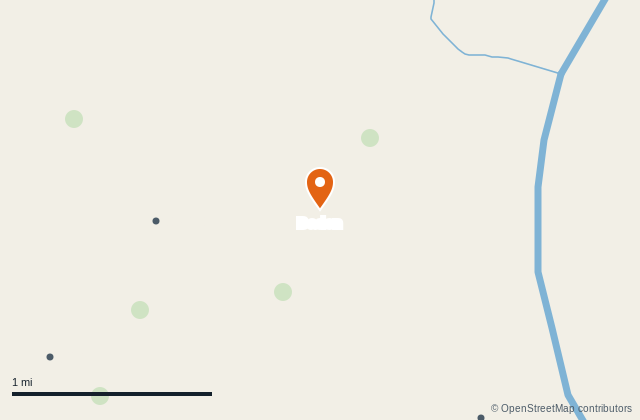
| Location | 6.4 miles north of downtown St. Louis |
|---|---|
| County / jurisdiction | City of St. Louis |
| Population | about 3,163 (ACS 2019-23 estimate) |
| Typical home built | 1953 (median year built) |
| Housing mix | 70% single-family detached, 18% in 2-4 unit buildings, 11% in larger buildings |
| Owner-occupied homes | 69% |
| Nearby creeks & rivers | Maline Creek (1.1 mi), Mississippi River (1.1 mi), Watkins Creek (3.4 mi) |
| Parks & green space nearby | Hickey Park, Dickman Park, Vivian Astra Park |
| Nearest interstates | I-70 (2.0 mi), I-270 (3.8 mi) |
| ZIP codes | 63147 |
What brings mice into Baden homes
The typical home here dates from the 1940s and 1950s, a post-war era of brick bungalows and small ranches, often with original garage doors, basement windows and foundation vents.
Green space such as Hickey Park and Dickman Park supports field and house mice through the summer; when nights cool in the fall, homes along the edges see the first wave indoors.
Mice here usually come in from late September onward, following foundation lines to the garage, then into kitchens along plumbing and wiring runs.
Signs to look for
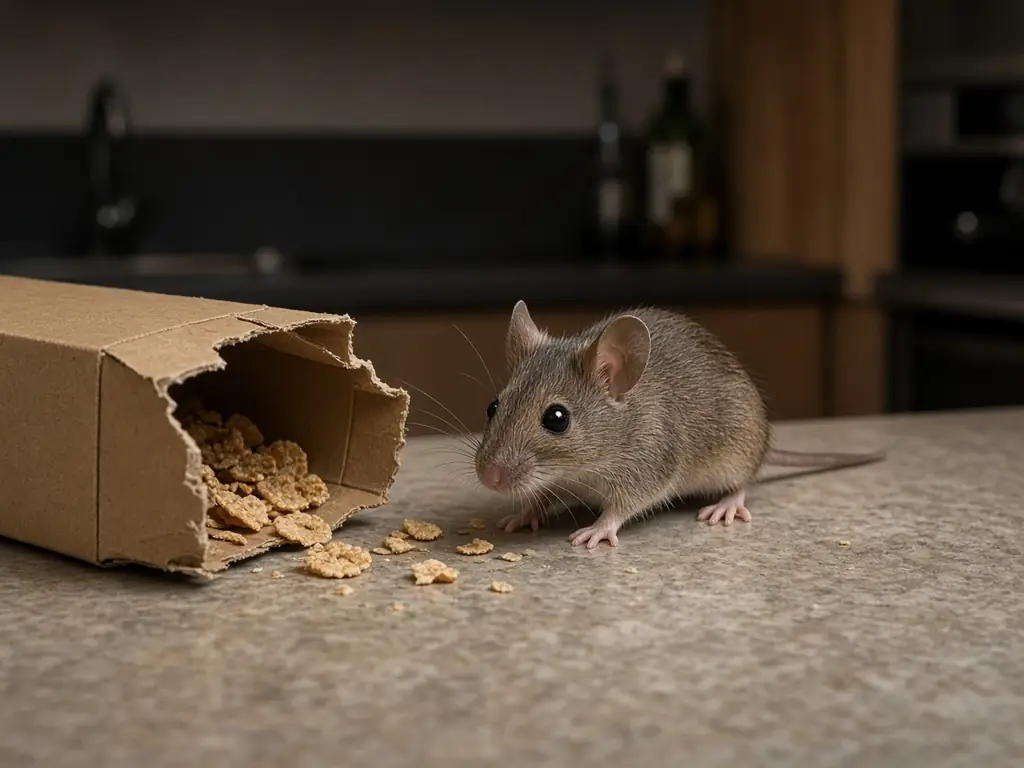
- Nibbled cereal, pet food or birdseed
- Faint scratching at night inside walls, ceilings or cabinets
- A musky smell in closed cupboards
- Shredded paper or insulation tucked into storage boxes
What happens when you call
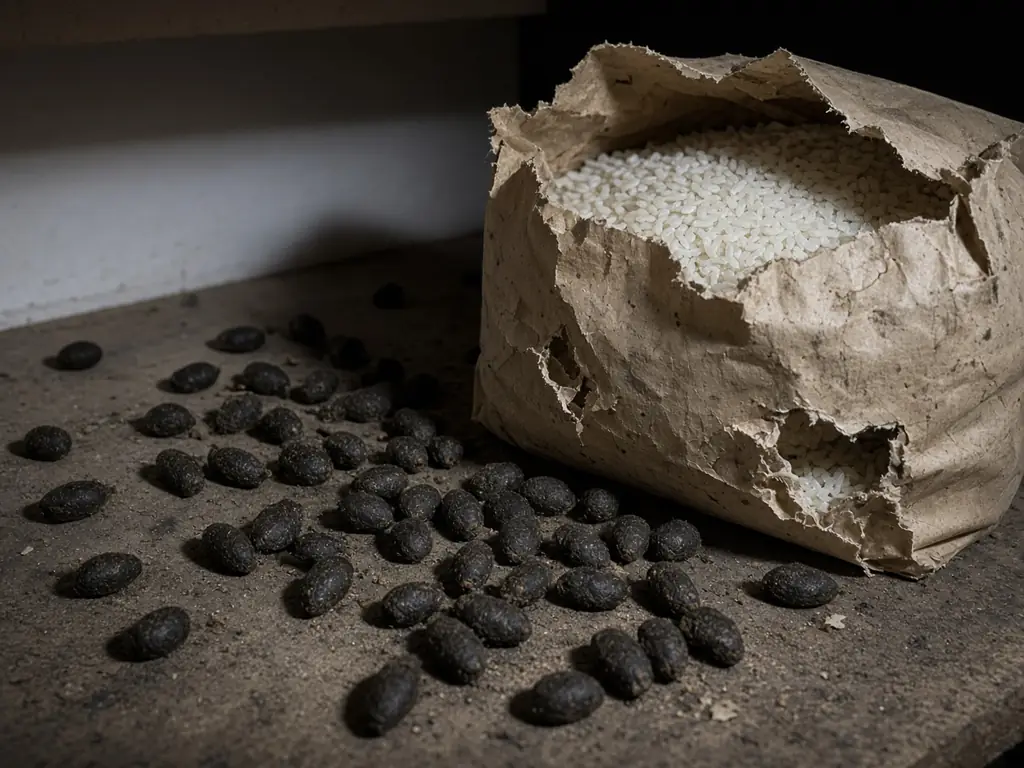
- Find the runways. Mice move along edges. The technician traces droppings and rub marks back to where they enter: garage door corners, plumbing under sinks, dryer vents, gaps around AC lines, foundation cracks.
- Trap where they travel. Snap traps and enclosed traps are placed along runways inside cabinets, behind appliances and in the attic or basement, not in the middle of the room.
- Close mouse-sized gaps. A house mouse can squeeze through a gap about the width of a pencil (around 1/4 inch). Those gaps are packed with mesh and sealed.
- Check back. Follow-up visits confirm the traps have stopped catching and no new droppings are appearing.
Mouse Control cost in Baden
Here are typical ranges for Baden. An older or larger home with more gaps sits toward the top; a new problem caught early sits toward the bottom.
| Item | Typical St. Louis-area range |
|---|---|
| Inspection | Free with service |
| Mouse treatment with one follow-up | $140 – $350 |
| Additional follow-up visits | $75 – $125 each |
| Mouse-proofing (sealing gaps) | $250 – $1,200+ |
Ranges reflect typical prices in the St. Louis market. They are a guide, not a quote; your price depends on the inspection.
See the full St. Louis rodent control cost guide.
Local resources
For rats on public land, in an alley, on a vacant lot or on a neighbor's property in Baden, contact the City of St. Louis Citizens' Service Bureau (CSB), which routes rat complaints to the city's rodent control program. Rodents inside your own home or business are the owner's responsibility, and that is where we come in.
Mouse Control near Baden
- North Pointe (St. Louis)
- North Riverfront (St. Louis)
- Walnut Park West (St. Louis)
- Walnut Park East (St. Louis)
- Flordell Hills, MO
- Jennings, MO
- Mark Twain (St. Louis)
- Moline Acres, MO
See also mouse control across the St. Louis area.
Frequently asked questions
How fast can someone come out to Baden?
Most Baden appointments can be booked within a day or two; call (314) 735-5967 and ask for the first available slot.
Do ultrasonic repellers work on mice?
Independent testing has generally found little lasting effect. Sealing entry points and trapping are far more reliable.
Should I use poison inside the house?
We avoid loose poison indoors because mice can die inside walls and cause odor. Trapping plus sealing is cleaner.
Do you cover ZIP code 63147?
We cover 63147 in and around Baden, along with nearby North Pointe, North Riverfront, Walnut Park West.
Get a free rodent inspection
Tell us what you are seeing and where. We will book a free inspection with a licensed local technician.
Call (314) 735-5967