
North Hampton at a glance
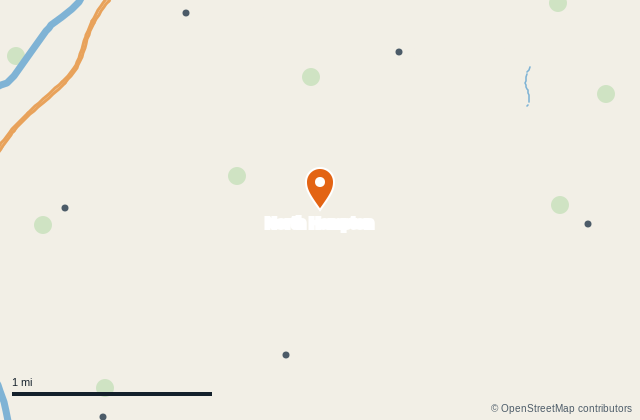
| Location | 4.9 miles southwest of downtown St. Louis |
|---|---|
| County / jurisdiction | City of St. Louis |
| Population | about 7,847 (ACS 2019-23 estimate) |
| Typical home built | 1941 (median year built) |
| Housing mix | 56% single-family detached, 33% in 2-4 unit buildings, 6% in larger buildings |
| Owner-occupied homes | 57% |
| Nearby creeks & rivers | Forest Park lakes and streams (1.2 mi), River des Peres (1.6 mi) |
| Parks & green space nearby | Tilles Park, Sublette Park, McDonald Park |
| Nearest interstates | I-44 (1.4 mi), I-64 (2.2 mi) |
| ZIP codes | 63139, 63109, 63116, 63110 |
Our rat control process, step by step
- Confirm the species and the source. Norway rats are the main rat in the St. Louis area. They burrow along foundations, fences, sheds and compost piles and travel along alleys and sewer lines.
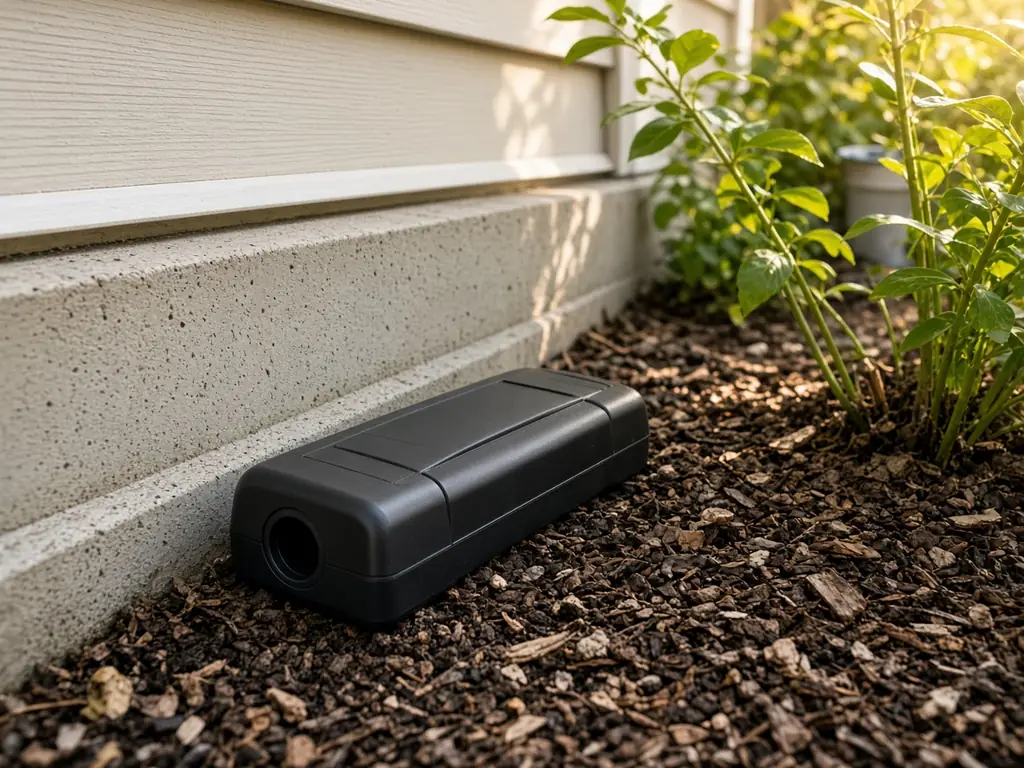
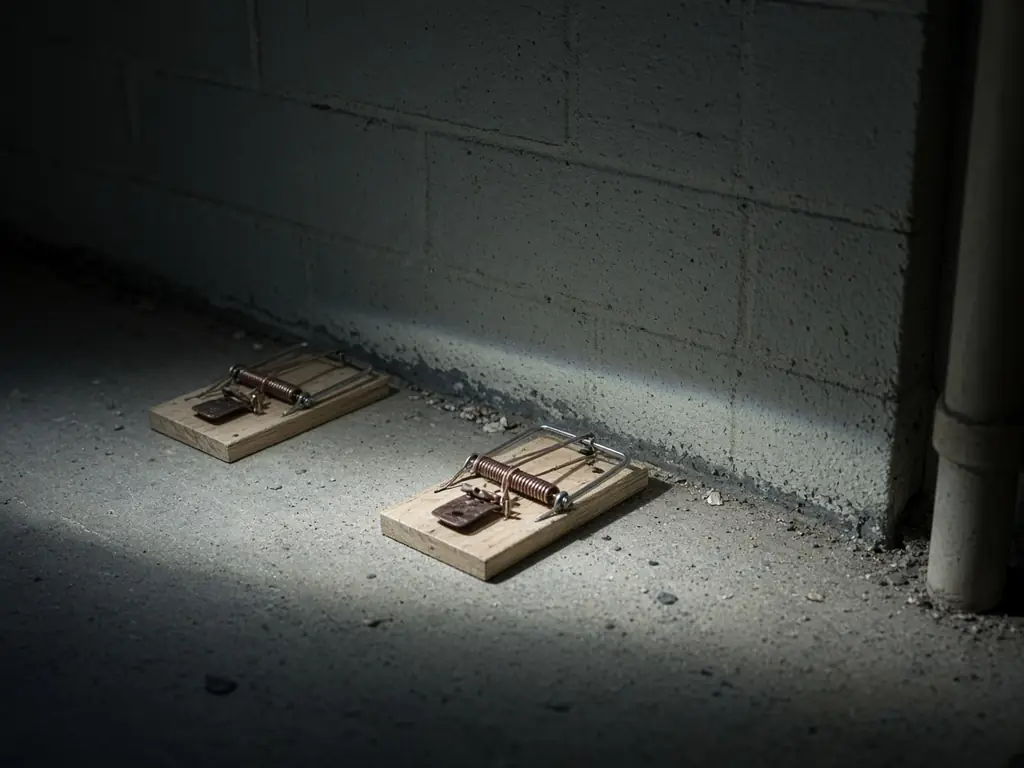
- Treat burrows and set traps. Active burrows are treated or collapsed and monitored; rat-sized traps go along travel routes in garages, basements and crawlspaces.
- Close the doors they use. Rats need a gap of about 1/2 inch. Garage door seals, broken foundation vents, gaps at utility lines and damaged sewer cleanouts get fixed.
- Cut the food supply. Lidded trash carts, sealed compost, bird-feeder spill and pet food are the usual culprits. You get a short, specific list for your property.
What brings rats into North Hampton homes
The typical home here dates from the 1940s and 1950s, a post-war era of brick bungalows and small ranches, often with original garage doors, basement windows and foundation vents.
About 39% of homes in North Hampton are in multi-unit buildings. Shared walls, basements and trash areas mean one building's problem quickly becomes the neighbors'.
Alleys with shared trash carts and detached garages are typical here, and they are the main rat highways in the city.
Signs to look for
- Droppings 1/2 to 3/4 inch long with blunt ends
- Burrow holes about 2–4 inches wide along foundations, fences or under sheds
- Smudge marks along walls and beams
- Gnawed wood, plastic trash carts or garage door corners
Rat Control cost in North Hampton
Prices in North Hampton follow the wider St. Louis market. The main factors are the size of the home, how established the activity is and how many entry points need sealing.
| Item | Typical St. Louis-area range |
|---|---|
| Inspection | Free with service |
| Rat treatment (multiple visits) | $250 – $650 |
| Burrow treatment & exterior stations | $150 – $400 |
| Rat-proofing / exclusion | $300 – $1,500+ |
Ranges reflect typical prices in the St. Louis market. They are a guide, not a quote; your price depends on the inspection.
See the full St. Louis rodent control cost guide.
Local resources
For rats on public land, in an alley, on a vacant lot or on a neighbor's property in North Hampton, contact the City of St. Louis Citizens' Service Bureau (CSB), which routes rat complaints to the city's rodent control program. Rodents inside your own home or business are the owner's responsibility, and that is where we come in.
Rat Control near North Hampton
- Southampton (St. Louis)
- Southwest Garden (St. Louis)
- Clifton Heights (St. Louis)
- Lindenwood Park (St. Louis)
- Tower Grove South (St. Louis)
- The Hill (St. Louis)
- Bevo Mill (St. Louis)
- St. Louis Hills (St. Louis)
See also rat control across the St. Louis area.
Frequently asked questions
Who handles rats on public property in North Hampton?
For rats on streets, alleys, vacant lots or a neighbor's property, contact the City of St. Louis Citizens' Service Bureau (CSB), which routes rat complaints to the city's rodent control program. Rats on your own property are the owner's responsibility.
How long does it take to get rid of rats?
Expect two to six weeks for an established population, with several visits. Rats are cautious around new objects, so traps are often pre-baited first.
Can rats come up through the toilet?
It is rare but possible in older sewer systems. Broken sewer cleanout caps and damaged lateral lines are the more common way rats get into basements.
Which ZIP codes do you cover in North Hampton?
We cover 63139, 63109, 63116, 63110 in and around North Hampton, along with nearby Southampton, Southwest Garden, Clifton Heights.
Get a free rodent inspection
Tell us what you are seeing and where. We will book a free inspection with a licensed local technician.
Call (314) 735-5967