
St. Louis Hills at a glance
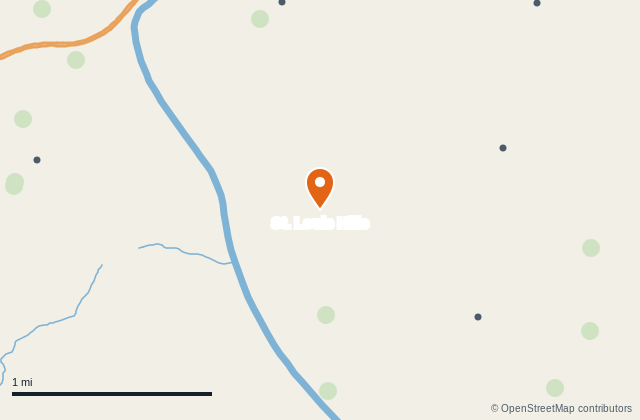
| Location | 6.3 miles southwest of downtown St. Louis |
|---|---|
| County / jurisdiction | City of St. Louis |
| Population | about 9,348 (ACS 2019-23 estimate) |
| Typical home built | 1941 (median year built) |
| Housing mix | 69% single-family detached, 25% in 2-4 unit buildings, 5% in larger buildings |
| Owner-occupied homes | 70% |
| Nearby creeks & rivers | River des Peres (0.5 mi), MacKenzie Creek (0.6 mi), Deer Creek (1.4 mi) |
| Parks & green space nearby | Francis Park, River Des Peres Park, Willmore Park |
| Nearest interstates | I-44 (1.4 mi), I-55 (2.4 mi) |
| ZIP codes | 63109, 63139, 63116 |
Why rats show up in St. Louis Hills
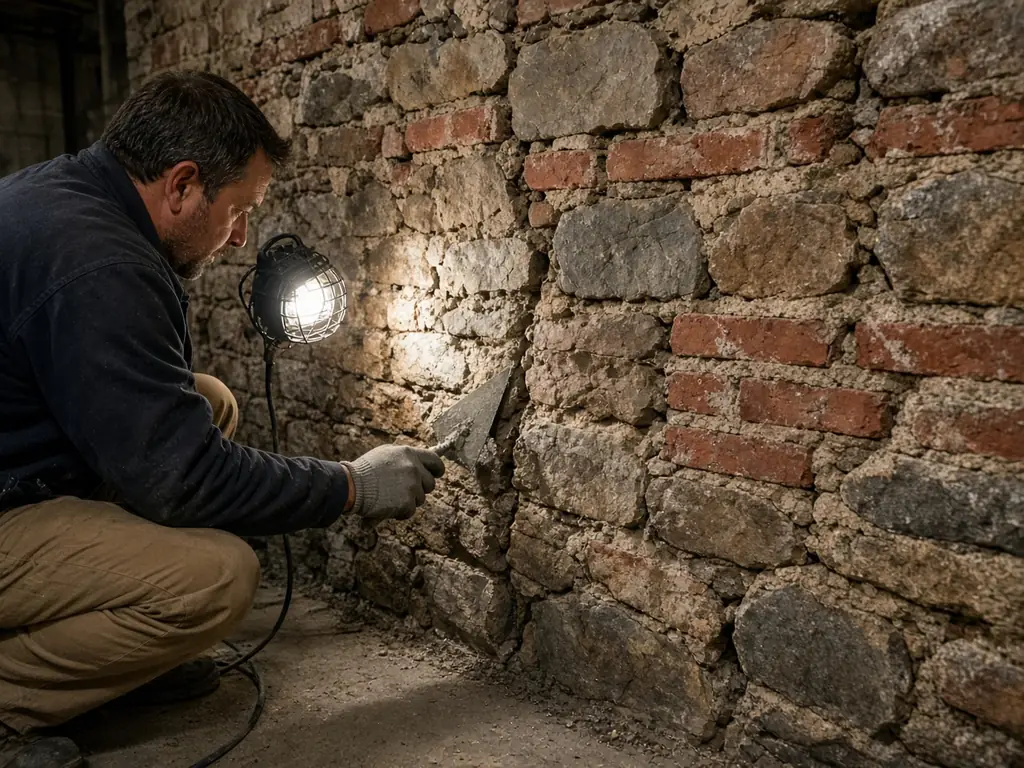
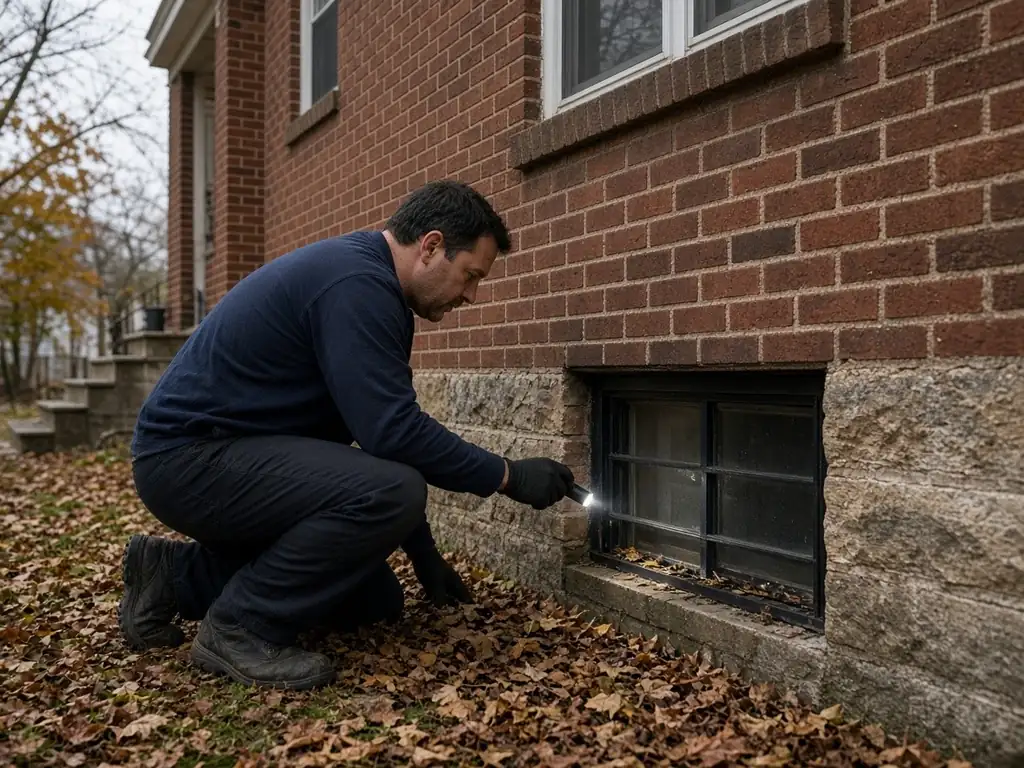
Most houses here went up in the 1940s and '50s. Seventy-plus years of settling opens gaps at foundation corners, basement windows and around utility lines.
Alleys with shared trash carts and detached garages are typical here, and they are the main rat highways in the city.
Rats here usually start outdoors, under decks, sheds and woodpiles, beside compost bins and along fences, before finding a way into the garage or basement.
Signs to look for
- Burrow holes about 2–4 inches wide along foundations, fences or under sheds
- Smudge marks along walls and beams
- Gnawed wood, plastic trash carts or garage door corners
- Heavier thumping or scurrying than mice make
What happens when you call
- Confirm the species and the source. Norway rats are the main rat in the St. Louis area. They burrow along foundations, fences, sheds and compost piles and travel along alleys and sewer lines.
- Treat burrows and set traps. Active burrows are treated or collapsed and monitored; rat-sized traps go along travel routes in garages, basements and crawlspaces.
- Close the doors they use. Rats need a gap of about 1/2 inch. Garage door seals, broken foundation vents, gaps at utility lines and damaged sewer cleanouts get fixed.
- Cut the food supply. Lidded trash carts, sealed compost, bird-feeder spill and pet food are the usual culprits. You get a short, specific list for your property.
Rat Control cost in St. Louis Hills
What you pay in St. Louis Hills depends mostly on how long the problem has been going on, the size and age of the building, and how much sealing it needs.
| Item | Typical St. Louis-area range |
|---|---|
| Inspection | Free with service |
| Rat treatment (multiple visits) | $250 – $650 |
| Burrow treatment & exterior stations | $150 – $400 |
| Rat-proofing / exclusion | $300 – $1,500+ |
Ranges reflect typical prices in the St. Louis market. They are a guide, not a quote; your price depends on the inspection.
See the full St. Louis rodent control cost guide.
Local resources
For rats on public land, in an alley, on a vacant lot or on a neighbor's property in St. Louis Hills, contact the City of St. Louis Citizens' Service Bureau (CSB), which routes rat complaints to the city's rodent control program. Rodents inside your own home or business are the owner's responsibility, and that is where we come in.
Rat Control near St. Louis Hills
- Princeton Heights (St. Louis)
- Southampton (St. Louis)
- Lindenwood Park (St. Louis)
- Shrewsbury, MO
- North Hampton (St. Louis)
- Bevo Mill (St. Louis)
- Boulevard Heights (St. Louis)
- Ellendale (St. Louis)
See also rat control across the St. Louis area.
Frequently asked questions
Are rats dangerous?
Rats can spread diseases such as leptospirosis and salmonellosis through urine and droppings, and they chew wiring. Avoid handling droppings and nests without gloves and a mask.
Who handles rats on public property in St. Louis Hills?
For rats on streets, alleys, vacant lots or a neighbor's property, contact the City of St. Louis Citizens' Service Bureau (CSB), which routes rat complaints to the city's rodent control program. Rats on your own property are the owner's responsibility.
How long does it take to get rid of rats?
Expect two to six weeks for an established population, with several visits. Rats are cautious around new objects, so traps are often pre-baited first.
Which ZIP codes do you cover in St. Louis Hills?
We cover 63109, 63139, 63116 in and around St. Louis Hills, along with nearby Princeton Heights, Southampton, Lindenwood Park.
Get a free rodent inspection
Tell us what you are seeing and where. We will book a free inspection with a licensed local technician.
Call (314) 735-5967